
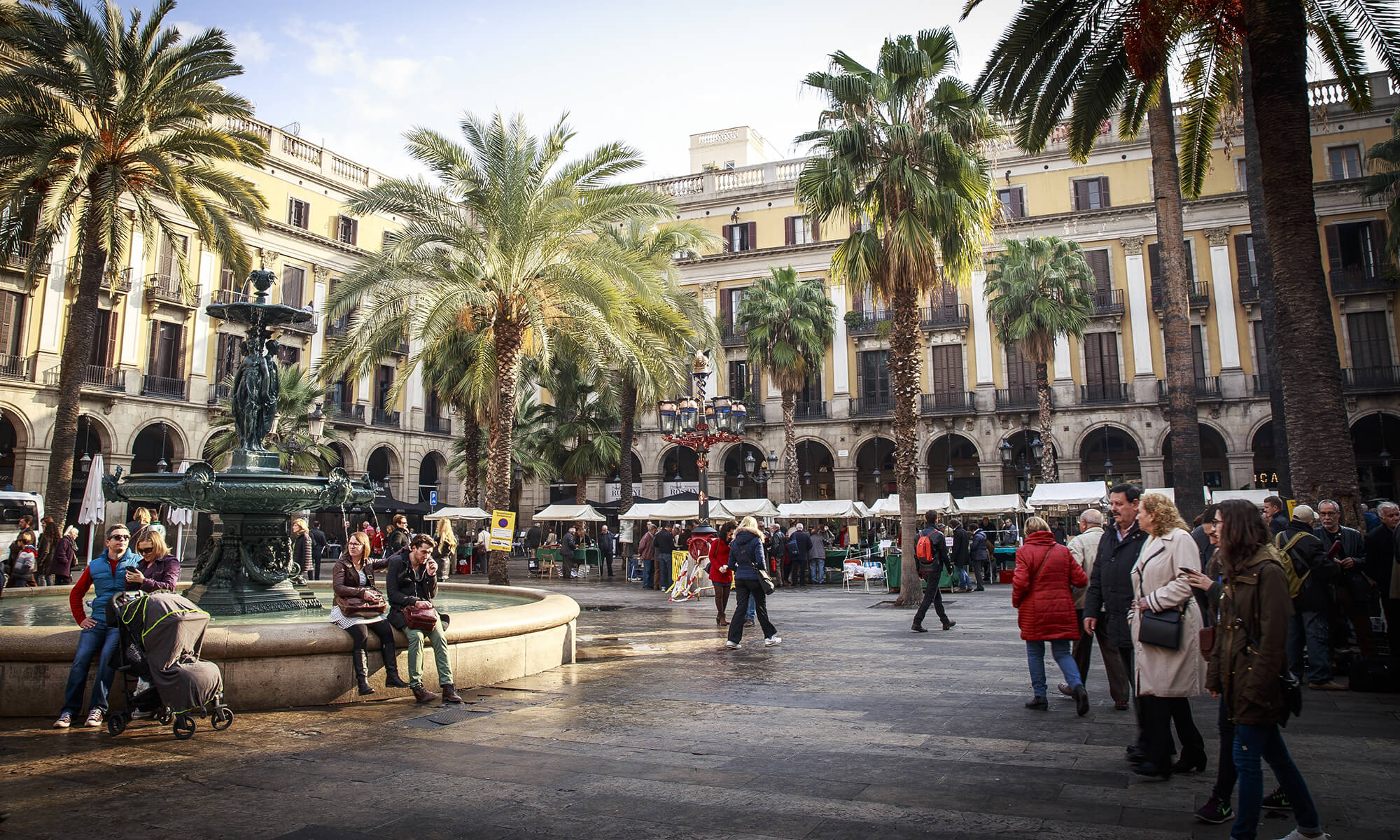
Living in Spain —or dreaming of doing so— means stepping into a culture where time is savoured, food brings people together, the street invites participation and language opens doors. If you are a student of Spanish, you may want to start the year with resolutions that not only bring you closer to speaking the language better, but also to living it.
Spanish is not learned only in the classroom; it is learned while having breakfast, walking, laughing, socialising and enjoying the world around you. That is why here you have 10 resolutions to help you feel more integrated into Spanish life and, why not, to seem a little more Spanish in the new year.
1. Having breakfast like a Spaniard: calm, coffee, bread with tomato and olive oil
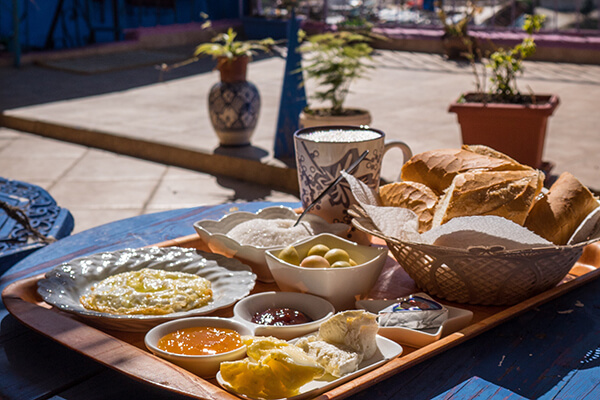
Spanish breakfast does not compete in size, but in pleasure. It is simple: toast with tomato, rustic bread cut in half, extra virgin olive oil, freshly grated tomato, a pinch of salt and a café con leche. And just like that, you are already part of 80% of the local population.
What matters is not what you eat, but taking the time to do it. This is the first lesson of the art of living the Spanish way: life does not rush by, it is savoured.
Goal: spend a few minutes every morning enjoying a calm breakfast. Rushing does not go well with this country. Going out for breakfast is very typical in Spain and will help you socialise and talk to people.
2. Living the art of tapas: the terrace as a social living room
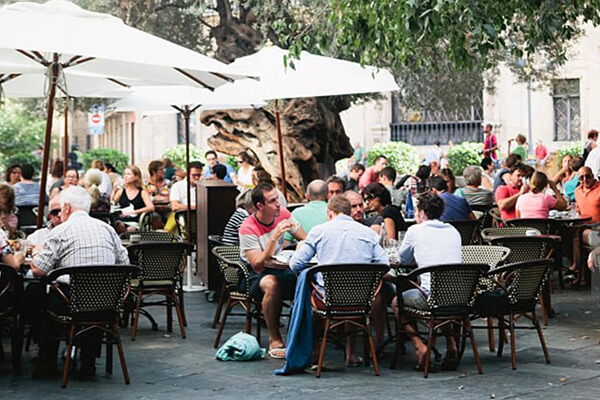
Going out for tapas is not about eating. It is about connecting. It is about going out with friends, ordering a beer, a glass of wine or vermouth, having a tapa, chatting, moving from one bar to another, observing life and tasting flavours.
In Spain, the street is the main meeting point. People chat on terraces whether it is August or January, meet for a drink in squares and make spontaneous plans. Terraces are an extension of the living room, the place where Spain lives: people meet, talk, celebrate, work and rest. And no, drinking alcohol is not necessary. That is not part of the plan. Social life is an essential part of well-being.
Goal: meet once a week with friends or colleagues to go for tapas. And if you are alone, go out for tapas anyway, because people will quickly start talking to you and you will make spontaneous connections. Sit on a terrace with a coffee, watch life go by and let the atmosphere do its linguistic immersion work.
3. Adopting the art of the siesta (the right version)
Contrary to the stereotype, Spaniards do not sleep for two hours after lunch. The authentic siesta is short: 20 or 30 minutes are enough to recharge your energy without losing the afternoon.
Of course, you may only be able to do this during holidays or at weekends. But if you are lucky enough to work from home or to live close enough to go home for lunch and then return to the office, you should try this habit because you are going to love it.
Goal: try a short siesta once or twice a week, without guilt, allowing your body and mind to recover.
4. Integrating key Spanish expressions: “vale”, “venga”, “guay”, “me chifla”
Colloquial language is part of authentic culture. Spaniards use everyday expressions. Incorporating them will make you sound more natural and will help you better understand informal conversations. In addition, native speakers will perceive you as more approachable, relaxed and energetic.
Goal: learn and use at least five new expressions this month. You will see that once you start using them, they will come out naturally, without even noticing. On my social media accounts I share many informal expressions you can use.
For now, here are the ones mentioned above:
“vale” → OK / agreed
“venga” → acceptance, encouragement, closing
“guay” → very good / great
“me chifla” → I really like / I really love
WOULD YOU LIKE A MORE DETAILED EXPLANATION?
«Vale»: a Spanish expression to accept and confirm
Meaning: It is used to accept, confirm or show that you have understood something. It is very common in Spanish spoken in Spain.
Common uses:
- To say “OK” / “agreed”
- To close a conversation
- To indicate that you have understood an instruction
Examples:
—Quedamos a las seis. / (We’ll meet at six).
—“Vale”. / (“OK”).
—Te mando el documento mañana. / (I’ll send you the document tomorrow).
—“Vale”, gracias. / (“OK”, thanks).
Register: informal–neutral (very frequent in everyday conversations).
«Venga»: colloquial Spanish expression to encourage or close conversations
Meaning: It is a very versatile expression. It is used to encourage, accept, hurry things up or close a conversation.
Common uses:
- To accept a proposal
- To encourage someone
- To say “let’s go” or “see you”
Examples:
—¿Tomamos un café? / (Shall we have a coffee?)
—“Venga”. / (“Sure”).
—“Venga”, que llegamos tarde. / (“Come on”, we’re running late).
—Bueno, “venga”, hablamos luego. / (Alright then, “see you” later).
«Guay»: informal Spanish expression meaning something is very good
Meaning: It means that something is very good, nice, interesting or fun. It is equivalent to great or awesome.
Common uses:
- To express a positive opinion
- To react to good news
Examples:
—La clase fue muy “guay”. / (The class was really “great”).
—¡Qué “guay” tu viaje a España! / (Your trip to Spain was really “cool”!)
Register: informal (very common, especially among adults and young people).
«Me chifla»: colloquial Spanish expression to say that you like something a lot
Meaning: It expresses that you like something very much, even more than me gusta. It is an emphatic and colloquial expression.
Structure: Me chifla + noun / infinitive
Examples:
—“Me chifla” el chocolate. / (“I really love” chocolate).
—“Me chifla” viajar y aprender idiomas. / (“I really love” travelling and learning languages).
Register: informal, expressive.
5. Being more spontaneous: leaving space for the unexpected
One of the most Spanish characteristics is the ability to improvise. Leaving space for spontaneity, for what comes up, for the plan that appears five minutes before… and being able to say yes.
A day without plans is perfect for doing something. Planning too far ahead is not always useful, because you don’t know what you will feel like doing in a few weeks’ time. What you do know is how you feel today, right now: maybe you want to stay at home because it’s raining, or go out because the sun is shining. If you leave space unplanned, you will be free and able to do whatever you want.
Goal: leave some free spaces in your schedule to allow yourself one improvised plan per week. It can be something small, like calling someone you know and suggesting a walk, going out for a coffee or going to the cinema. You will discover that having free time is wonderful for doing something spontaneous.
6. Cooking traditional dishes at home
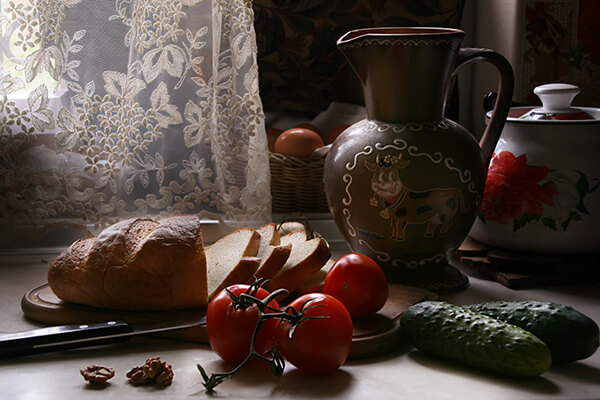
You don’t need to be a chef. It’s enough to choose one or two simple but authentic recipes, such as a Spanish omelette (tortilla de patatas), gazpacho, lentils with vegetables or croquettes. Cooking them connects you with flavours, smells and memories that are part of the country. Cooking can also be a way to meditate. Just thinking about the recipe and following the steps one by one can lead you to feel proud of the result. Remember that Spain is very large and diverse. I recommend preparing dishes from the area where you live or from the places you usually travel to, so you can ask for recommendations on how to prepare these recipes.
Your goal: learn how to prepare at least two traditional Spanish dishes. If you share them with friends, even better. Receiving feedback is a way to improve and refine both the flavour and the final result. It will be the best way to learn and to make friends. And, of course, to practise Spanish.
7. Adopting Spanish hospitality: invite people for merienda
Spain is a country that enjoys welcoming and sharing. If you want to integrate, imitate this warm custom. Invite your neighbours, classmates or colleagues to your home to have something to eat or drink. You can invite them for merienda.
Merienda is less formal and is mainly based on sharing small dishes (informal food to share). There is no need to set a formal table. Merienda usually takes place in the mid-afternoon, around five or six o’clock, and gives you the opportunity to immerse yourself in Spanish culture and get to know local customs. Sometimes a merienda lasts longer and turns into an informal and fun dinner.
If people ask what they can bring to your home, you can suggest that they bring something to drink. This way you will know what each person likes to drink, as people usually bring something they enjoy to share. This also makes organising the merienda a bit easier.
Your goal: organise one “merienda” per month to meet Spaniards and have conversations. It is the fastest way to go from being a visitor to feeling like a resident.
8. Enjoying the outdoors or practising sports: cycling, walking… or playing paddle tennis
Spain is a beautiful and diverse country. Spaniards take advantage of the climate and the natural surroundings to practise sports and socialise: hiking, mountains or beach, evening walks, weekend excursions or simply walking in a park.
Walking is a national habit, cycling is very popular in many areas, and paddle tennis (pádel) has become a social phenomenon.
Goal: go for three walks a week or try a local sport. If you join a paddle tennis group, you will learn Spanish without even noticing. Connecting with people and spending time outdoors is good for your health and for your soul.
9. Learning to enjoy time without guilt

In Spanish culture, time is not only organised; it is also enjoyed. Stopping, doing nothing for a while or extending a conversation are part of everyday life.
Having a long coffee, walking without a destination, sitting in a square to observe or simply staying a little longer chatting is not considered wasting time, but living it. Learning not to feel guilty about resting is one of the keys to truly integrating into the Spanish lifestyle.
Goal: allow yourself to stop from time to time without feeling that you should be doing something “productive”. Enjoying time is also part of learning Spanish and living the Spanish way.
10. Speaking with native speakers to speak better

I have to confess something very, very important: native speakers do not speak perfect Spanish either. In everyday conversations, you hear many mistakes, and nothing happens. People keep talking and communicating without any problem.
Spaniards interrupt, make mistakes, correct themselves, invent words and, above all, keep talking.
Spaniards love it when foreigners make the effort to speak Spanish. That’s why a Spaniard will usually tell you that you speak very well. They will help you understand what you are saying and will communicate with you no matter what. So the more you speak, even with mistakes, the better, because fluency only comes with daily practice.
Your goal: speak Spanish whenever you have the opportunity, even if you make mistakes. Spanish is learned through use, not through contemplation.
Conclusion:
Living more like a Spaniard does not mean changing who you are, but living with more presence: in the street, at the table, in conversations and in your contact with people.
These 10 resolutions have something in common: they are not meant to transform you, but to help you immerse yourself in the Spanish lifestyle and feel more connected to the language, the culture and the people around you.
If you adopt even half of them, in 2026 you will not only speak better Spanish. You will also live more the Spanish way.
And if you want, you can count on me to take that step. Spain is not learned from a book. It is learned by living: at the table, in the street, in conversations, in meals, on walks and in the particular rhythm of each day.
I invite you to enjoy a week of Spanish with us in Toledo, Spain. You will improve your Spanish and experience the culture from the inside, like a traveller who becomes part of the place.
You will speak Spanish every day, learn real expressions and get to know the culture by living it.
👉 Here you can find all the information:
https://martacamina.com/en/spanish-immersion-trips/
If you prefer, we can meet first in a completely free and no-obligation personal interview to answer all your questions.
👉 Book your interview here:
https://martacamina.com/en/free-conversation/




0 Comments